

Event Marketing: Trends, Examples & Building Your Strategy [2025]
In today’s digital-first world, event marketing is a powerful strategy for driving real engagement by creating memorable experiences—whether in person, virtual, or hybrid. Learn the fundamentals of event marketing, explore emerging trends, and discover how to plan, promote, and measure successful marketing events.
What is event marketing and why does event marketing matter?
In event marketing, one develops a themed exhibit, display, or presentation to promote a product, service, or organization. Events can occur in person or online, and give potential customers a unique first-hand interaction with your brand or company, providing a true sense of your personality, perspective, and areas of focus.
Event marketing matters because it’s able to reach through the clutter of numerous pitches and advertisements that every consumer experiences each day. Event marketing remains critical because of the power of in-person and virtual face-to-face experiences to create one-on-one connections with your brand. While it certainly requires an investment of time and budget, it inevitably pays back by providing an unparalleled way to connect with your customers.

The benefits of event marketing
- Establish a relationship with customers
The main purpose of event marketing is being able to establish relationships! You won’t get as solid of a connection with customers from a website, marketing campaign, or even social media.
- Increase brand exposure
Related to customer relationships, events are a surefire way to get potential customers and prospects to discover your brand and attract attention to brands, organizations, and products.
- Reach a target audience
Sometimes you need to reach out directly to the audience who’s interested in what you’re offering. Events can help you narrow down and reach out to your target demographic.
- Create credibility
Given the opportunity to interact with customers on a personal level, events help you establish expertise in your field by giving an opportunity to help and teach others.
- Boost sales
At the end of the day, marketing is about helping to sell products and services. If your events make a positive impression, you’ll have more customers, it’s as simple as that.

Event marketing trends
AI-driven personalization
AI-driven personalization has become a cornerstone of event marketing. Advanced algorithms analyze attendee data in real-time to tailor content, recommendations, and interactions. This includes dynamically adjusting agendas, suggesting sessions based on user behavior, and delivering personalized communications. Such personalization enhances engagement and satisfaction by ensuring that each participant’s experience aligns with their interests and needs.
AI also supports predictive analytics, enabling organizers to anticipate attendee needs and preferences before the event. This approach allows for the customization of marketing messages, event content, and networking opportunities, improving attendee participation and satisfaction.
Hybrid events as standard
Hybrid events, combining in-person and virtual elements, have solidified their place as a standard format. This approach extends reach, allowing participation regardless of geographical constraints, and offers flexibility to attendees. Organizers benefit from increased attendance and the ability to collect comprehensive data across both platforms, facilitating more informed decision-making and improved ROI.
The integration of advanced technologies has further enhanced the hybrid event experience. Features such as real-time translation, interactive Q&A sessions, and virtual networking lounges bridge the gap between physical and digital attendees. These innovations ensure that all participants, regardless of their mode of attendance, have access to the same level of engagement and content, thereby maximizing the event’s impact and inclusivity.
Community building through online platforms
Building and nurturing online communities has become a cornerstone of event marketing. Platforms dedicated to fostering continuous engagement before, during, and after events help maintain interest and encourage networking among participants. These communities serve as valuable feedback channels and can significantly enhance event visibility through word-of-mouth promotion.
Furthermore, online communities provide a space for attendees to share insights, ask questions, and collaborate on ideas, thereby extending the event’s value beyond its scheduled timeframe. Organizers can leverage these platforms to deliver additional content, gather feedback, and promote future events. By cultivating a sense of belonging and ongoing dialogue, online communities contribute to sustained engagement and loyalty among participants.
Enhanced engagement through gamification
Gamification strategies are increasingly employed to boost attendee engagement. Incorporating elements such as leaderboards, interactive challenges, and reward systems motivates participation and can improve knowledge retention.
Additionally, gamification facilitates networking by encouraging attendees to interact with one another through collaborative tasks and competitions. This interactive approach not only enhances the overall event experience but also fosters meaningful connections among participants.
Rise of micro-events
Micro-events, characterized by their small scale and targeted focus, are gaining popularity. These events allow for more personalized interactions and can be tailored to specific audience segments or objectives. Their flexibility and lower cost make them an attractive option for organizations looking to deliver impactful experiences without the logistical complexities of larger events.
Moreover, micro-events facilitate deeper engagement by creating intimate settings where attendees feel more connected and valued. This environment encourages open dialogue, fosters stronger relationships, and enhances the overall effectiveness of the event. By focusing on quality over quantity, micro-events enable organizations to deliver meaningful experiences that resonate with their target audience and drive desired outcomes.
How to develop a winning event marketing strategy
Here are the key steps involved in developing your event marketing strategy:
- Define your event goals: Start by identifying what you want to achieve. Use the SMART framework—specific, measurable, attainable, relevant, and timely—to create clear and actionable goals. For example, set a goal like: “Generate 100 qualified leads for our new product by the end of the event.”
- Set your budget: Determine how much you can spend on your event. A good way to set a budget for your event is to estimate the business outcome the event could generate, assign a dollar value to this outcome, and set an event budget that will ensure a positive return on investment (ROI).
- Identify your target audience: Figure out who you want to attend your event. Use buyer personas if you have them, or develop them if you don’t. Knowing your audience helps you tailor content, marketing, and experiences that resonate with them.
- Choose the event type and theme: Decide what kind of event you’re hosting—conference, workshop, gala, or something else—and outline key details: name, venue, date, purpose, and ticket price. We list common types of events below.
- Develop a promotion timeline: Give yourself plenty of time to market the event, ideally at least one month for small events and up to three months for large ones. Organize your promotional activities into pre-event, during-event, and post-event phases for better planning.
- Create a marketing and promotion plan: Use a mix of channels—social media, email, content marketing, and event listing sites—to spread the word. Email marketing is especially effective because it reaches people in their daily routine and lets you segment your audience.
- Plan for on-site and real-time content: Don’t stop marketing when the event begins. Use social media, live streaming, and attendee-generated content to share updates and engage both in-person and remote audiences.
- Select the right event technology: Choose advanced platforms that support hybrid and virtual events, and allow you to repurpose video content from the event to support your marketing activities.
- Measure event success: Set key performance indicators (KPIs) before the event. Track metrics like registration vs. attendance, revenue, social media mentions, lead acquisition, and attendee satisfaction to gauge the event’s impact.
- Collect feedback: Ask attendees for feedback as soon as the event ends. Use surveys with questions about their experience, highlights, and suggestions for improvement. Offering a small incentive, like a discount for a future event, can increase response rates.
Types and examples of successful event marketing
This could practically merit a post on its own, but, here are a few ideas for leveraging events to your benefit! Remember that what you’re offering is not content alone, but an experience.
1) User conferences: User conferences are company-hosted events designed for customers and users to learn about product updates, provide feedback, and engage with peers and company staff.
Example: Dreamforce 2024 (https://www.salesforce.com/plus/experience/dreamforce_2024)
Hosted by Salesforce from September 17–19, 2024, at the Moscone Center in San Francisco, exemplifies a large-scale user conference. The event featured over 1,500 sessions, keynote speeches from industry leaders, and the introduction of Agentforce, a new AI tool designed to optimize business processes.

Source: Salesforce
2) Networking events: Networking events are professional gatherings aimed at facilitating connections, idea exchange, and potential partnerships among attendees.
Example: BNI Global Convention 2024 (https://www.bni.com/global-events/)
The BNI Global Convention 2024, held from November 13–16, 2024, at the Hilton Hawaiian Village Waikiki Beach Resort in Honolulu, brought together entrepreneurs and business professionals for networking and collaboration. The event featured a Mega Chapter Meeting with 200 entrepreneurs, providing a platform for attendees to build relationships and share business strategies.

Source: BNI
3) Community events: Community events are locally organized gatherings aimed at fostering community spirit and engagement among residents.
Example: National Simultaneous Storytime (https://alia.org.au/Web/Web/Events/Event_Display.aspx?EventKey=NSS25)
On May 21, 2025, the National Simultaneous Storytime event took place at Goyder Square in Palmerston, Australia. Organized by the Australian Library and Information Association (ALIA), the event involved reading the same Australian-written and illustrated book, “The Truck Cat” by Deborah Frenkel, simultaneously across various locations. The Palmerston event featured interactive activities, including vehicle displays, a petting zoo, and a free BBQ, promoting community engagement and literacy.

Source: ALIA
4) Special guest events: Special guest events feature notable individuals to attract attention and provide unique experiences for attendees.
Example: Royal Cornwall Show 2025 (https://propercornwall.co.uk/events/royal-cornwall-show-2025/)
The Royal Cornwall Show 2025, scheduled for June 5–7 in Wadebridge, Cornwall, will be attended by Prince William and Sophie, the Duchess of Edinburgh. Both royals serve as patrons of the Royal Cornwall Agricultural Association, and their presence underscores the show’s significance in promoting agriculture and community engagement.

Source: Proper Cornwall
5) Experiential marketing: Experiential marketing involves immersive, live experiences that allow consumers to interact directly with a brand, creating memorable engagements.
Example: KO3 Alaska Driving Experience (https://www.motortrend.com/how-to/bfgoodrich-all-terrain-ta-ko3-alaska-off-road-tire-test)
In 2024, BFGoodrich hosted the KO3 Alaska Driving Experience, inviting companies and influencers in the off-road driving space to test its new KO3 all-terrain tires in Alaska’s rugged terrain. The event included activities like wildlife tours, fly-fishing, and glacier landings, providing participants with firsthand experience of the product’s capabilities.

Source: Motor Trend
6) Educational events: These events focus on delivering structured learning experiences to help attendees deepen their knowledge or gain new skills. They are often centered around specific topics, tools, or trends, and are popular among B2B audiences and technical professionals.
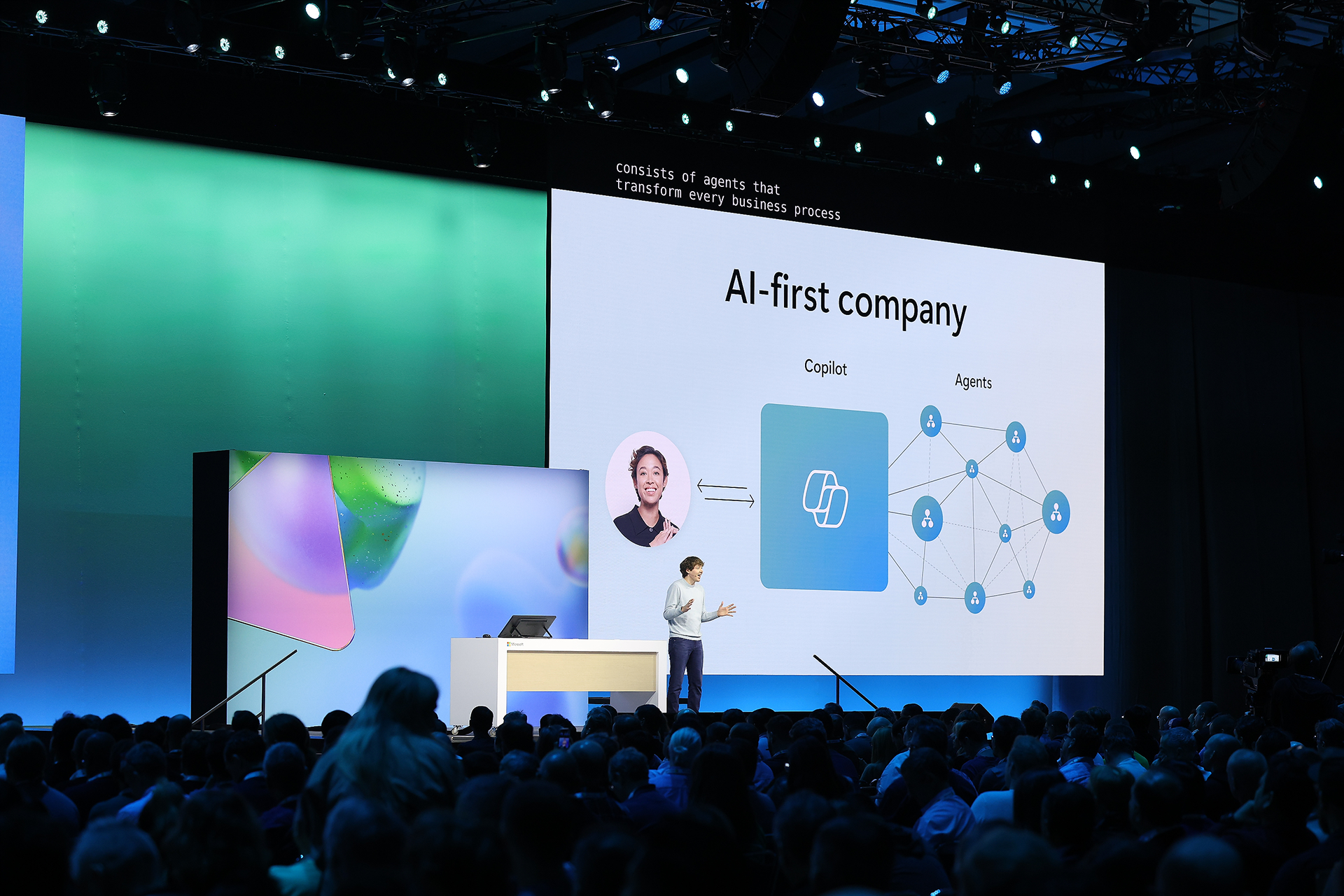
Example – Microsoft Ignite (https://news.microsoft.com/ignite-2024/)
Microsoft Ignite is an annual conference for developers and IT professionals that combines hands-on technical sessions, keynotes from Microsoft leadership, and in-depth learning opportunities. The event offers a mix of live-streamed and on-demand content, providing flexibility for attendees while ensuring high-value, expert-led training across Microsoft’s technology ecosystem.

Source: Microsoft
7) Workshops: Workshops are small-format, interactive sessions designed to help participants acquire practical skills or knowledge. These events typically focus on in-depth learning through real-world examples, case studies, or guided exercises.
Example – AI in Drug and Biological Product Development v2 (https://ctti-clinicaltrials.org/newsroom/recording-of-hybrid-public-workshop-now-available-ai-in-drug-and-biological-product-development-v2/)
Organized by the FDA and its partners, this workshop provided detailed discussions on the application of artificial intelligence in clinical research and pharmaceutical development. It brought together regulators, scientists, and industry experts to share insights, clarify expectations, and explore AI’s evolving role in healthcare innovation. The hybrid format made it accessible to a global audience.

Source: FDA
8) Live streaming events: Live streaming allows brands to host and broadcast events in real-time to a global audience. It’s a cost-effective way to maximize reach and engagement, especially when physical attendance is limited or impractical.
Example – Paris Olympics 2024 (https://www.olympics.com/en/live/)
The Olympic Games have embraced live streaming to bring the action directly to fans worldwide. Through Olympics.com, viewers can watch events as they happen, access highlights, and follow athletes and storylines from anywhere. This digital-first approach not only broadens accessibility but also enhances fan engagement through mobile-optimized experiences and real-time updates.

Source: Olympics.com
How to measure event marketing success
Evaluating the effectiveness of your event marketing efforts is essential for understanding impact and guiding future strategies. Below are key performance indicators (KPIs) commonly used to assess event success:
Attendance and registration metrics
These metrics help determine the effectiveness of promotional efforts and the appeal of the event:
- Total registrations: The number of individuals who registered for the event.
- Attendance rate: The percentage of registrants who actually attended.
- No-show rate: The percentage of registrants who did not attend.
Engagement metrics
Engagement metrics provide insight into attendee interest and involvement, indicating which aspects of the event were most compelling:
- Session participation: Tracks which sessions attendees joined and for how long.
- Audience interaction: Measures participation in Q&A sessions, polls, or discussions.
- Social media activity: Monitors mentions, shares, likes, and comments related to the event.
Lead generation and conversion metrics
These metrics assess the event’s effectiveness in generating business opportunities and contributing to revenue growth:
- New leads acquired: Counts the number of potential customers identified during the event.
- Lead conversion rate: The percentage of leads that progressed to the next stage in the sales funnel.
- Cost per lead: Calculates the average expense incurred to acquire each lead.
Revenue and ROI metrics
Financial metrics determine the event’s profitability and inform budget planning for future events:
- Total revenue: The income generated directly from the event, such as ticket sales or on-site purchases.
- Return on investment (ROI): Evaluates the financial return relative to the event’s cost.
- Profit margin: The percentage of revenue remaining after all expenses are deducted.
Attendee satisfaction metrics
Satisfaction metrics help evaluate the overall attendee experience and identify areas for improvement:
- Post-event surveys: Collect feedback on various aspects of the event, including content quality and logistics.
- Net Promoter Score (NPS): Measures the likelihood of attendees recommending the event to others.
- Repeat attendance rate: Tracks the percentage of attendees who have participated in previous events.
By systematically tracking these KPIs, organizations can gain a comprehensive understanding of their event marketing performance and make data-driven decisions to enhance future events.
Essential features of event marketing software
Effective event marketing software integrates tools that streamline planning, promotion, execution, and analysis. Below is a breakdown of core features to consider when evaluating such platforms.
- End-to-end event management: Look for software that covers the entire event lifecycle—from pre-event registration to post-event follow-up. A robust platform should support attendee registration, agenda creation, session management, and post-event analytics in one centralized system. This helps teams manage complex logistics more efficiently and ensures a consistent experience across every touchpoint.
- Integrated video capabilities: High-quality video functionality is critical, especially for virtual and hybrid events. The software should offer live streaming, video-on-demand, and simulive options with full control over branding and playback. Reliable video delivery ensures professional presentation and keeps attendees engaged.
- Audience engagement tools: Engagement features like live Q&A, polls, reactions, breakout rooms, and networking lounges help replicate the interactive feel of in-person events. These tools allow participants to contribute actively rather than passively watch, increasing satisfaction and perceived value.
- Personalized experiences: Top platforms use audience segmentation and behavioral data to personalize content, session recommendations, and follow-ups. Personalization drives deeper engagement and helps attendees connect with relevant content throughout the event.
- Branded environments: Custom-branded environments allow marketers to tailor the visual identity of the event space to match their brand. This includes the registration pages, session rooms, lobbies, and navigation menus, offering a consistent and immersive brand experience from start to finish.
- Powerful analytics and reporting: Analytics tools should offer detailed insights into attendee behavior, session engagement, content performance, and lead generation. Post-event reports help marketers measure ROI, assess campaign effectiveness, and identify areas for improvement in future events.
- Seamless integrations: The platform should easily integrate with your existing tech stack—CRMs, marketing automation platforms, and CMS tools. This connectivity ensures data flows smoothly across systems, enabling real-time tracking, lead nurturing, and personalized follow-up campaigns.
- Scalability for different event formats: Whether you’re running a small webinar, multi-track conference, or hybrid experience, the software should scale to support various event sizes and formats. Flexibility is key to adapting as your event strategy evolves.
Selecting event marketing software with these features ensures a comprehensive approach to event planning and execution, leading to improved attendee satisfaction and event success.

Kaltura hybrid and virtual events
Kaltura Events transforms your virtual, hybrid, and in-person gatherings into seamless, fully brandable, lead-generating experiences designed to maximize attendance, engagement, and event ROI. Trusted by leading organizations across industries—from technology and finance to healthcare, education, and media—Kaltura delivers a flexible, scalable, and AI-powered platform for any event type or size.
Kaltura enables you to create 100% unique and on-brand experience for attendees. At any scale and for any purpose and audience, from in-person and hybrid to fully virtual experiences. Host live, simulive, or pre-recorded sessions, interactive rooms, and video-on-demand content. Whether you’re running a global conference or a regional roundtable, Kaltura makes it easy to watch, network, and participate from anywhere, on any device.
Drive attendee engagement with a comprehensive suite of interactive features: gamification, leaderboards, badges, certifications, polls, quizzes, choose-your-own-path videos, emojis, chats, crowd reactions, and live Q&A. Make every person in your audience feel valued and included with live and on-demand captioning, dual screens for sign language interpretation, dubbing, and support for multiple languages.
Leverage built-in generative AI tools to streamline event planning and execution. Instantly generate agendas, titles, and descriptions. The AI assistant provides real-time analytics and engagement suggestions during your event. Maximize the value of your event assets by easily turning live sessions into on-demand content or educational snippets with Kaltura’s AI-driven repurposing and summarization tools. Manage all repurposed content centrally, with a seamless post-event workflow that keeps everything on-platform for optimal VOD experiences.
Access real-time, cross-event analytics—including engagement, attendance, chat interactions, reactions, polls, live session metrics, and heat maps to help you visualize attendee engagement.
Kaltura ensures top-tier security and privacy, complying with industry standards such as GDPR, ISO, DPA, and VPAT. Features like SSO and DRM protect your data and your attendees at every stage.
Kaltura’s hybrid and virtual events platform is purpose-built to help you create, manage, and scale extraordinary digital experiences—empowering you to engage audiences, showcase your brand, and achieve measurable results, every time.
In Summary
While it’s been a challenging couple of years for in-person events, moving forward with a hybrid event marketing strategy embracing both virtual and in-person events will serve your business or org well. Business and real-world conditions may vary but the very human impulse to socialize and connect doesn’t seem like it will go away any time soon. Make sure you’re making the most of event marketing to engage your audience. Paired with a savvy marketing strategy and a high-quality virtual event platform, you’ll have all your bases covered!
Was this post useful?
Thank you for your feedback!