

Digital customer engagement: 5 examples + 5 strategies for success
Digital customer engagement refers to the interactions between a business and its customers through digital channels.

Digital customer engagement is central to how modern businesses grow. As customer expectations shift toward personalization and convenience, brands must deliver seamless experiences across digital platforms. Learn to improve customer engagement with video, AI, automation, and omnichannel strategies.
What is digital customer engagement?
Digital customer engagement refers to the interactions between a business and its customers through digital channels. These interactions are intended to build relationships, improve experiences, and drive customer actions like purchases, loyalty, or advocacy.
Digital engagement is continuous and involves real-time communication, personalization, and automation. Here are some important points to understand about it:
- Digital engagement happens across various platforms—websites, apps, social media, email, and more.
- It is multi-faceted, from targeted offers and customer support chats to product recommendations and feedback surveys.
- It aims to create a seamless, personalized experience that keeps customers interested and involved with the brand.
- It requires the use of technology to understand customer behavior, respond quickly to needs, and deliver consistent experiences across touchpoints.
The importance of digital customer engagement
Enhancing customer loyalty and retention
Digital customer engagement strengthens loyalty and retention by creating meaningful, personalized experiences. When businesses use data to tailor interactions, they build stronger emotional connections with customers, increasing the likelihood of repeat business and long-term relationships.
Here are a few ways effective digital engagement improves customer loyalty:
- Personalizes interactions by tailoring communication and offers to individual preferences
- Makes customers feel valued, increasing emotional connection and brand loyalty
- Maintains consistent engagement across digital channels like email, social media, and apps
- Keeps the brand top-of-mind, reinforcing customer relationships
- Improves customer retention through ongoing, relevant interactions
Increasing competitiveness in the digital marketplace
Effective digital customer engagement helps businesses stand out in crowded markets. It differentiates them through better experiences and makes it possible to respond faster to shifting customer needs and industry trends.
Here are a few ways effective digital engagement enhances competitiveness:
- Attracts and retains customers by offering engaging digital experiences
- Differentiates the business from competitors through consistent, high-quality engagement
- Enables real-time responsiveness to market changes and customer feedback
- Supports agile strategy adjustments based on digital insights
- Drives innovation by aligning offerings more closely with customer expectations
Improving the customer journey
Digital tools simplify the customer journey, making every interaction smoother. With the right engagement strategies, businesses can guide customers from discovery to purchase and support.
Here are a few ways effective digital engagement creates a better customer journey:
- Maps and optimizes customer touchpoints across digital channels
- Reduces friction in the buying process, improving conversion rates
- Improves satisfaction through real-time support and personalized recommendations
- Uses automation to respond instantly to customer inquiries and needs
- Encourages customer advocacy by delivering a consistently positive experience
Key drivers of digital customer engagement
What causes customers to engage with a business over digital channels? Here are the main drivers.
Personalization and customization
Personalization and customization are core components of digital customer engagement. By analyzing customer data, businesses can present content, offers, and communications tailored to individual preferences and behaviors. This approach transforms generic interactions into meaningful experiences, fostering stronger connections and improving loyalty.
Customized experiences make customers feel valued, boosting satisfaction and encouraging repeat business. Technologies like AI and machine learning improve personalization by continuously adapting and refining recommendations.
Multi-channel and omnichannel communication
Multi-channel and omnichannel communication facilitate interactions across various digital platforms. Multi-channel engagement ensures customers can access a brand on their preferred platforms, whether through social media, websites, or mobile apps. Omnichannel communication integrates these channels, providing a unified and consistent experience.
These approaches ensure smooth transitions between touchpoints, improving satisfaction and loyalty. Businesses that effectively use multi-channel and omnichannel strategies improve their reach and create new engagement opportunities.
Real-time interaction and responsiveness
Real-time interaction enhances digital customer engagement by meeting expectations for immediate support and interaction. Technologies like chatbots and live chat capabilities allow businesses to provide instant assistance, reducing wait times and improving satisfaction—assuming they are carefully designed to meet user expectations.
Real-time responsiveness also enables businesses to capture and address feedback swiftly, adapting strategies to better align with consumer preferences. This agility is vital in today’s fast-paced market, ensuring services remain relevant.
Data-driven decision making
Data-driven decision-making gives businesses insights into customer behaviors and preferences. Data analytics makes it possible to refine engagement strategies, ensuring they cater precisely to customer needs.
Collecting and analyzing customer data allows businesses to make informed decisions about product development, marketing, and customer service strategies. Data-driven insights enable personalized campaigns and trend identification, improving overall engagement efforts.
Use cases and examples of digital customer engagement
Here are a few ways leading companies took steps to successfully improve their digital customer engagement.
1. Using welcome messages to engage customers
Welcome messages are an effective way to initiate engagement immediately after a customer signs up or makes a first purchase. These messages serve as a first impression and help set the tone for the brand relationship. Compared to standard newsletters, welcome emails often see significantly higher open rates, making them a valuable opportunity to communicate key value propositions, prompt further exploration, and introduce reward programs.
For example, Petco uses welcome messaging to establish a personal and emotional connection with new customers. Their email is simple to read, includes a heartfelt message welcoming users “to their family,” and clearly aligns the brand’s mission with the customer’s goal—keeping their pets healthy and happy. This early alignment reinforces trust and encourages customers to see Petco as a partner, not just a retailer.

Source: Petco
2. Walkthroughs and checklists
Interactive walkthroughs and onboarding checklists are powerful tools for improving early-stage user engagement. Unlike static product tours, walkthroughs guide users step-by-step as they interact with the product, which helps them discover features more naturally and reduces the time it takes to see value.
For example, Kontentino, a social media management platform, implemented both a walkthrough and a welcome checklist to simplify their onboarding experience. They also added a welcome survey to better understand user needs and tailor the process accordingly. As a result of these changes, Kontentino saw a 10% increase in their user activation rate within the first month.

3. Loyalty programs with rewards
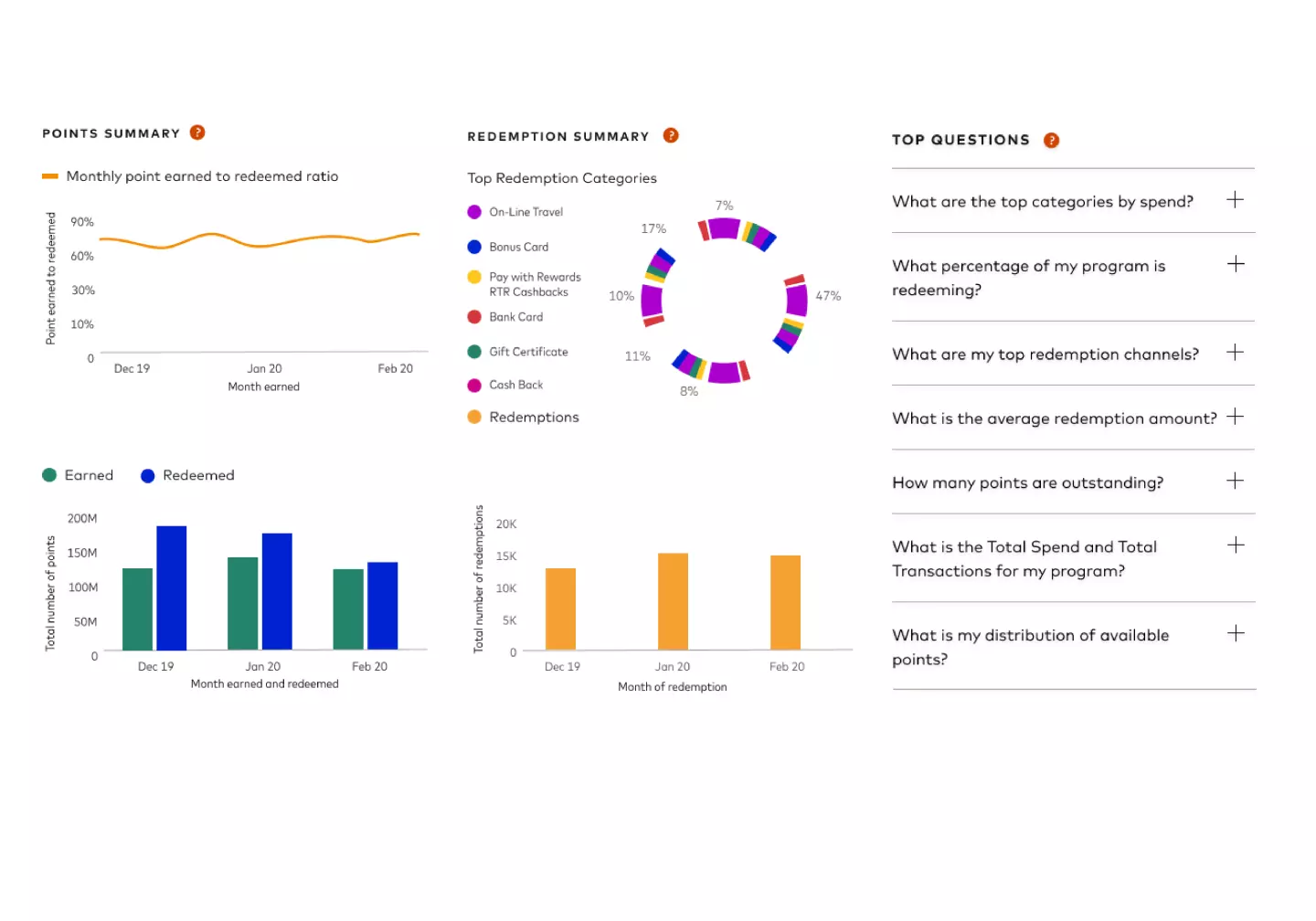
Loyalty programs can significantly influence repeat business, but modern strategies go beyond just points and discounts. Today’s programs focus on delivering personalized value and relevant experiences. When done right, loyalty initiatives make customers feel appreciated and understood, strengthening long-term relationships.
For example, Mastercard approaches loyalty by offering meaningful tools like Masterpass, which provides customers with a fast, secure, and unified payment experience. Rather than focusing solely on rewards, Mastercard’s strategy emphasizes convenience, relevance, and user empowerment. This positions the brand as a service-oriented partner, which deepens loyalty and reduces reliance on transactional incentives.

4. Personalized messaging campaigns
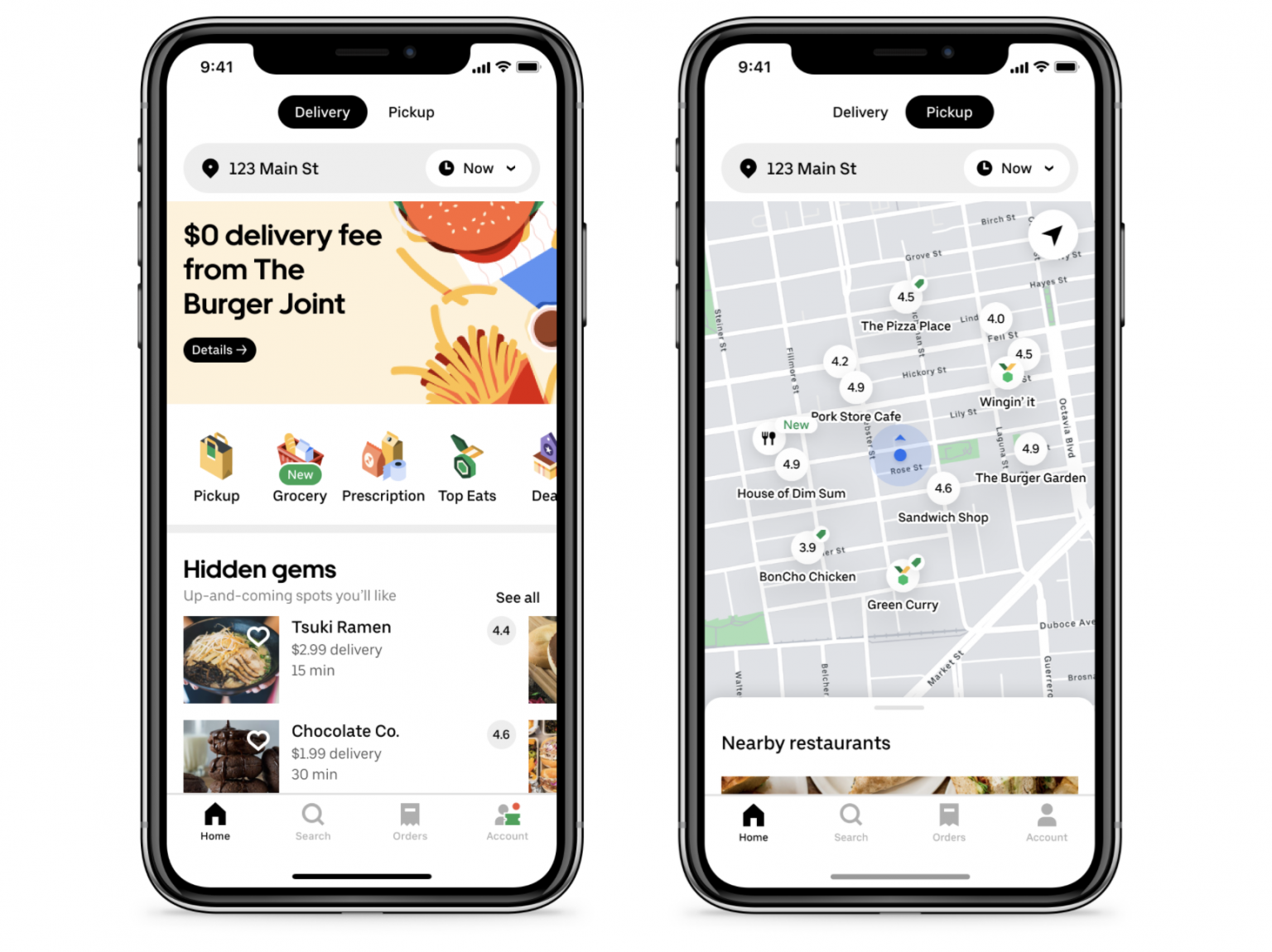
Personalized campaigns go beyond using a customer’s name—they adapt messaging based on user behavior, location, and preferences. By integrating behavioral data and past activity, brands can trigger relevant messages that feel timely and tailored. These campaigns increase engagement by making each communication feel directly applicable to the customer’s interests and actions.
Uber Eats uses this strategy by sending messages featuring restaurants that align with each user’s location and order history. They also send behavior-triggered prompts when users have been inactive, encouraging them to re-engage with food options they previously enjoyed. This approach keeps the brand top-of-mind and aligned with individual cravings and routines, driving more frequent interactions.

Source: Uber
5. Collecting customer feedback
Customer feedback surveys are a practical way to gauge satisfaction and uncover areas for improvement. By giving users a voice, these surveys help brands understand what’s working and where users are struggling, enabling more targeted engagement efforts.
For example, Wise, the money transfer platform, uses feedback collection to keep customers engaged and informed. They deploy Net Promoter Score (NPS) surveys that are intentionally short and easy to complete, lowering the barrier for participation and increasing response rates. This allows Wise to identify pain points early—such as users having trouble with a feature—and offer tailored support.
Measuring customer engagement
Tracking customer engagement is essential to understand how users interact with your product and to identify areas for growth or concern. One widely used metric in SaaS is the customer engagement score (CES), which quantifies user engagement on a scale, often from 1 to 100.
The CES is calculated by adding up the total values assigned to different user events, such as logins, feature usage, or content interactions. The result gives an at-a-glance view of individual user activity.
Here’s how to interpret the score:
- Negative CES: High churn risk
- 1–40: Very disengaged
- 41–70: Moderately engaged
- 71–100: Highly engaged
- 100+: Power users
Monitoring CES can help teams spot churn risks, identify high-potential upsell opportunities, and improve free-to-paid conversions.
Effective strategies for digital customer engagement
1. Implement omnichannel support systems
Omnichannel support systems create a seamless experience by allowing customers to switch between channels without repeating themselves. Unified systems improve continuity and help businesses respond consistently, regardless of the platform.
Practical steps to implementing omnichannel:
- Use a central CRM to track customer interactions across all digital channels
- Offer support through multiple options (e.g., email, live chat, social, SMS)
- Synchronize communication history so agents have full context
- Allow users to escalate from self-service to live support easily
- Standardize response times and SLAs across channels
- Monitor channel usage to identify gaps or preferred platforms
2. Use video and rich media
Video and interactive media grab attention and convey information quickly, making them highly effective for engagement. These formats allow for emotional connection, storytelling, and visual demonstrations that are harder to achieve with text alone.
Practical steps to use video and rich media for engagement:
- Use short explainer videos to highlight product benefits or processes
- Add animated tutorials or demos to support onboarding and feature adoption
- Embed videos in emails or landing pages to boost engagement and dwell time
- Leverage interactive media (e.g., sliders, polls, quizzes) to encourage participation
- Optimize videos for mobile viewing and fast load times
- Use subtitles and transcripts to improve accessibility and reach
3. Use AI and automation
AI and automation help scale personalized experiences and deliver faster responses, making digital engagement more efficient. They enable proactive communication, intelligent recommendations, and streamlined support without adding manual overhead.
Practical steps to use AI and automation for digital engagement:
- Implement chatbots to handle common customer queries in real time
- Use AI to personalize product or content recommendations based on behavior
- Automate triggered messages (e.g., cart abandonment, inactivity reminders)
- Apply machine learning to segment audiences and refine targeting
- Analyze user sentiment from conversations or reviews to improve messaging
- Integrate AI tools with CRM systems for centralized customer insights
4. Using social media platforms for engagement
Social media is a critical touchpoint for real-time interaction and community building. It provides a space to share updates, handle support inquiries, and engage with customers where they already spend time.
Practical steps for improving engagement with social media:
- Post consistently with a mix of educational, promotional, and user-generated content
- Respond promptly to comments, mentions, and direct messages
- Run interactive campaigns such as polls, Q&As, or live streams
- Leverage social listening tools to monitor brand sentiment and trends
- Use platform-specific features like Stories, Reels, or Threads to stay relevant
- Encourage customers to tag or share their experiences for broader reach
5. Providing self-service options to customers
Many customers prefer to resolve issues or find information on their own. Self-service tools enhance convenience, reduce support volume, and keep users engaged by offering quick solutions.
Practical steps for improving engagement with effective self-service:
- Create a searchable help center or knowledge base with common FAQs
- Develop interactive troubleshooting tools for complex issues
- Offer step-by-step guides, videos, or decision trees to assist users
- Use in-app support widgets to provide context-aware help
- Enable account management and order tracking from customer portals
- Regularly review usage data to improve or expand self-service content
Boost customer engagement with Kaltura’s video solutions
Kaltura’s innovative AI-powered video solutions enable businesses to connect with their customers in meaningful ways, driving product adoption, satisfaction, and loyalty. Create personalized customer interactions at scale that leave a lasting impact, by leveraging branded video experiences.
Key benefits of Kaltura’s video solutions:
- Interactive onboarding and enablement: Simplify customer onboarding with engaging video tutorials, product demonstrations, and interactive workshops. These experiences help customers quickly understand the value of your offerings while fostering deeper connections.
- Enhanced engagement through webinars: Host dynamic webinars and live sessions that educate and encourage real-time interaction. Kaltura’s platform makes it easy to deliver high-quality content that keeps audiences engaged and invested in your brand.
- Personalized video experiences: Tailor video content to individual customer needs using Kaltura’s AI-powered content repurposing tools and customization features. From one-on-one discussions to targeted campaigns, personalized videos nurture relationships and boost satisfaction.
- All-in-one video solution: With Kaltura, businesses can manage every aspect of their video strategy from creation to distribution. This comprehensive approach ensures consistency and maximizes ROI through seamless integration across channels.
Elevate your customer experience, foster loyalty, and stand out in the marketplace with Kaltura’s video solutions. Whether through interactive workshops or personalized campaigns, Kaltura empowers businesses to build stronger relationships and drive measurable results.
Was this post useful?
Thank you for your feedback!